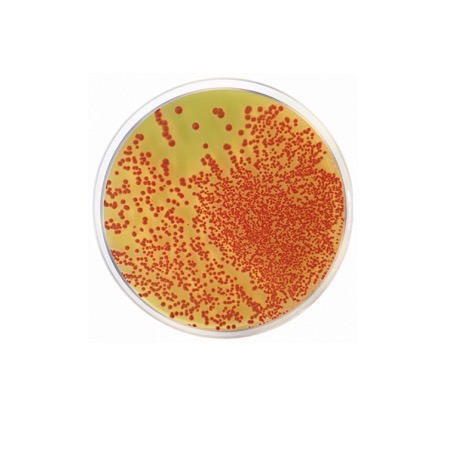
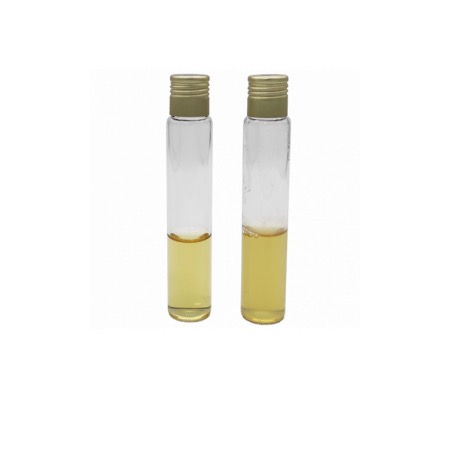
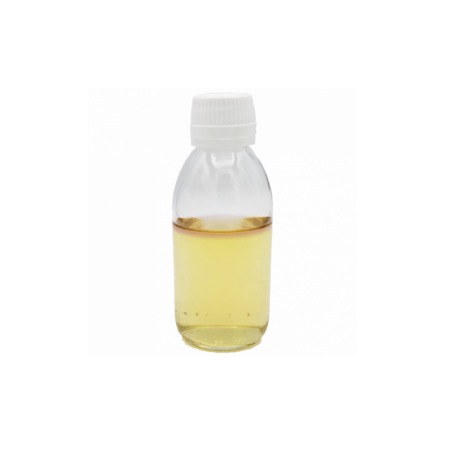
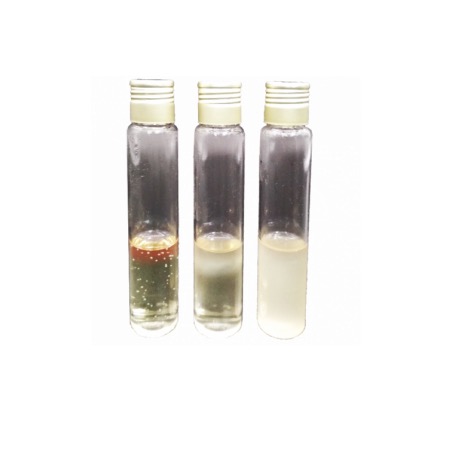
Todd Hewitt Broth is specifically formulated to overcome the limiting growth factors of many lactic acid bacteria. The medium is based on an Infusion from Beef Heart and Peptone Mixture, which provide a rich source of nitrogen, amino acids, and vitamins. Glucose (Dextrose) is included as the primary fermentable carbohydrate; however, since the fermentation of glucose produces acid that can inhibit bacterial growth and destroy hemolysins, the medium is heavily buffered. Sodium Carbonate and Disodium Phosphate act as a sophisticated buffering system to neutralize these acids, maintaining an optimal pH for a longer duration. Sodium Chloride ensures the osmotic equilibrium of the medium. This combination allows for a high yield of bacterial cells and the preservation of important diagnostic antigens and toxins.
Advantages
- Superior Buffering Capacity: Specifically designed to neutralize acid production during glucose fermentation, preventing the loss of viability in Streptococcus cultures.
- High Biomass Production: The rich nutrient base allows for the rapid growth of large populations of fastidious organisms.
- Antigen Preservation: Excellent for growing cultures intended for Lancefield grouping and other serological identification methods.
- Clinical Utility: Widely used as a base for selective enrichment broths (e.g., Lim Broth) for the screening of Group B Streptococci in pregnant women.
- Toxin Research: Ideal for the production of streptolysin O, making it a staple in clinical and research microbiology.
Technical specifications
| Catalogue number |
1236 |
| Brand |
Condalab |
| Application |
Cultivation of Streptococci and fastidious microorganisms |
| Typical Composition (g/L) |
Infusion from Beef Heart (3.1); Peptone Mixture (20.0); Glucose (2.0); Sodium Chloride (2.0); Disodium Phosphate (0.4); Sodium Carbonate (2.5) |
| Final pH (at 25 °C) |
7.8 ± 0.2 |
| Preparation |
30.0 g/L |
| Storage Temperature |
2 – 25 °C |
Available packaging options
| 1236 |
500 g plastic bottle |



.jpg)