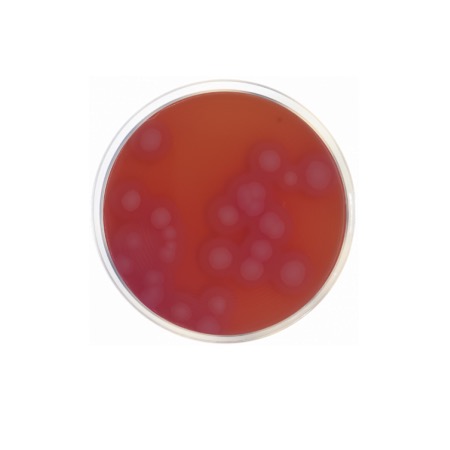
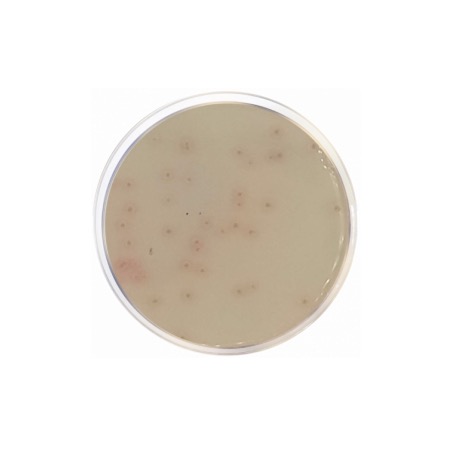
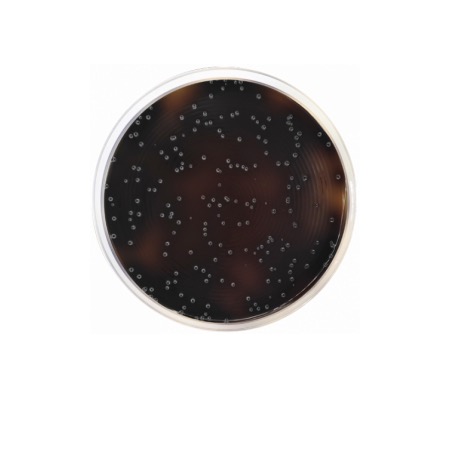
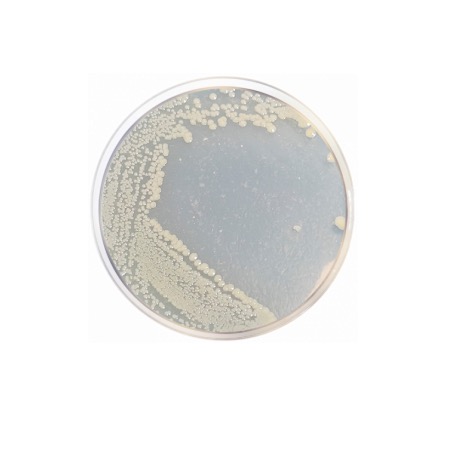
This medium is highly effective for the fungal analysis of clinical samples (such as skin, hair, and nails) and environmental or food products. It contains a Mixture of Peptones that provides the essential nitrogen, amino acids, and long-chain peptides required for fungal growth. Dextrose (Glucose) is included at a high concentration to serve as the primary energy source and to promote the vigorous growth of yeasts and molds. The acidic pH of the classic formulation is complemented by the addition of Chloramphenicol, a thermostable antibiotic that inhibits a wide range of Gram-positive and Gram-negative bacteria. This combination makes the medium exceptionally selective, allowing fungi to develop characteristic colonial morphology and pigmentation for easier identification.
Advantages
- Enhanced Selectivity: The inclusion of Chloramphenicol effectively suppresses bacterial overgrowth, which is common in environmental and clinical samples.
- Optimized Growth: The high carbohydrate content and nutrient-rich peptone base support the rapid development of both filamentous fungi and yeasts.
- Clinical Standard: Widely used in mycology laboratories for the primary isolation of dermatophytes and opportunistic pathogens like Candida albicans.
- Thermostable Antibiotic: Unlike many other antibiotics, chloramphenicol can withstand the autoclaving process, ensuring consistent selective pressure.
- Clear Morphology: Provides an excellent background for observing macro-morphological characteristics, such as colony color, texture, and topography.
Technical specifications
| Catalogue number |
1090 |
| Brand |
Condalab |
| Application |
Selective isolation of yeasts and molds |
| Typical Composition (g/L) |
Dextrose (Glucose) (40.0); Mixture of Peptones (10.0); Chloramphenicol (0.5); Bacteriological Agar (15.0) |
| Final pH (at 25 °C) |
5.6 ± 0.2 |
| Preparation |
65.5 g/L |
| Storage Temperature |
2 – 25 °C |
Available packaging options
| 1090 |
500 g plastic bottle |

.jpg)