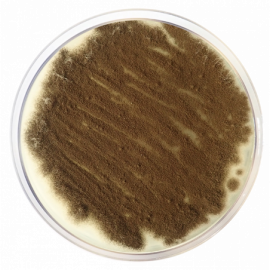
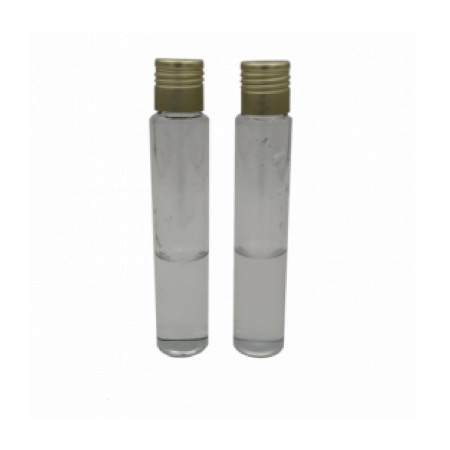
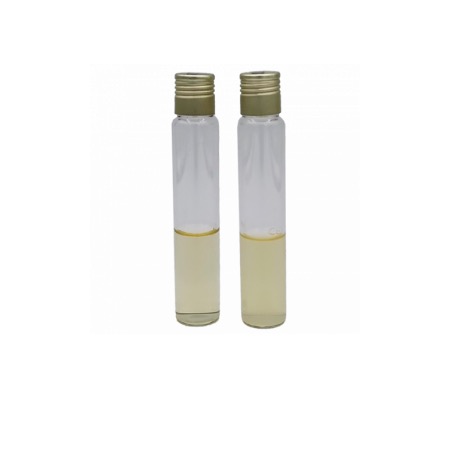
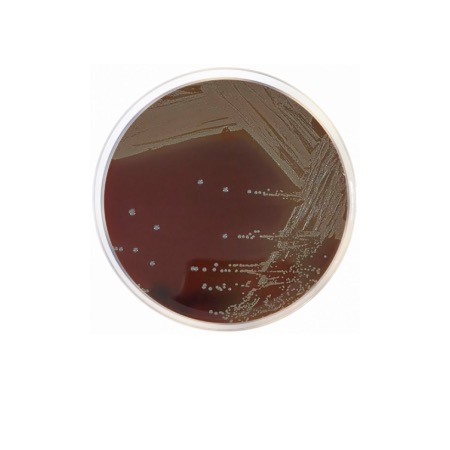
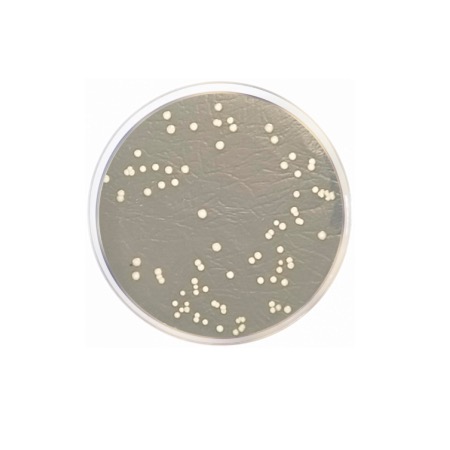
Granada Agar Base works by exploiting the unique ability of Streptococcus agalactiae to produce a specific polyene pigment (granadaene) when grown under anaerobic conditions in the presence of specific nutrients. The medium contains a rich mixture of Proteose Peptone and Starch to support the growth of fastidious streptococci. Glucose and Pyruvate serve as energy sources, while MOPS and Phosphate act as buffers to maintain the critical pH required for pigment stability. The high concentration of Magnesium Sulfate and specialized peptides in the base facilitates the production of the characteristic orange or red-orange colonies. When properly supplemented with selective agents (such as Methotrexate and antibiotics), it effectively suppresses the growth of most Gram-negative and Gram-positive commensal flora.
Advantages
- Rapid Presumptive Identification: Allows for the direct identification of S. agalactiae by colony color alone, typically within 18–24 hours.
- High Sensitivity and Specificity: Specifically formulated to minimize false negatives by providing an optimal environment for pigment expression.
- Clinical Gold Standard: Widely used in prenatal screening programs to detect GBS colonization in expectant mothers.
- Visual Clarity: The vibrant orange colonies are easily distinguished against the opaque, pale background of the agar.
- Suppression of Interference: When used with the recommended supplements, it provides excellent inhibition of Enterococci and Staphylococci.
Technical specifications
| Catalogue number |
2036 |
| Brand |
Condalab |
| Application |
Isolation and identification of Streptococcus agalactiae (GBS) |
| Typical Composition (g/L) |
Proteose Peptone (25.0); Soluble Starch (20.0); Glucose (2.5); Sodium Pyruvate (1.0); Magnesium Sulfate (1.2); MOPS (11.0); Disodium Phosphate (8.5); Bacteriological Agar (15.0) |
| Final pH (at 25 °C) |
7.4 ± 0.2 |
| Preparation |
74.2 g/L |
| Storage Temperature |
2 – 25 °C |
Available packaging options
| 2036 |
500 g plastic bottle |