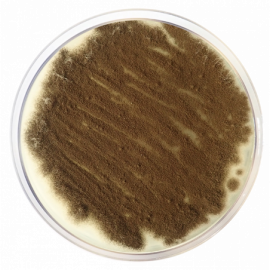
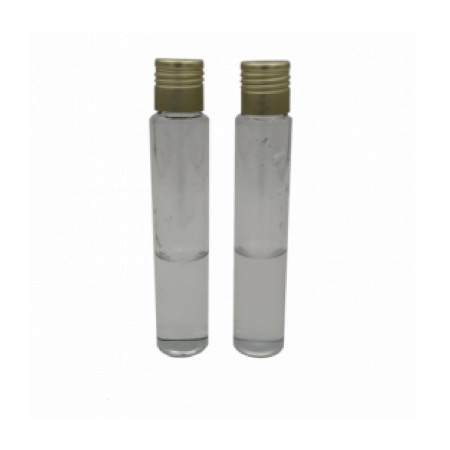
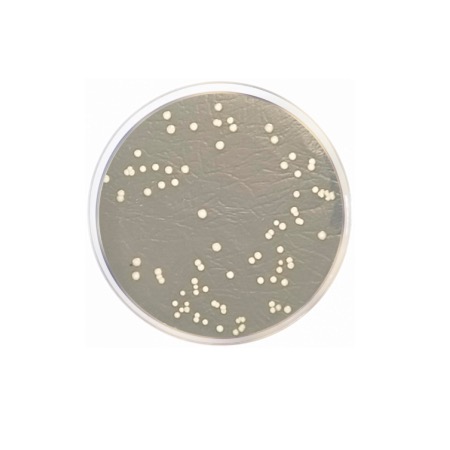
The medium is formulated to support the growth of acid-producing microorganisms while providing a visual indicator of their metabolic activity. Yeast Extract serves as a rich source of B-complex vitamins, amino acids, and nitrogen. Glucose is the primary fermentable carbohydrate and energy source. The defining component, Calcium Carbonate, acts as both a neutralizing agent and a differential indicator. The agar is naturally opaque due to the insoluble carbonate. When microorganisms ferment the glucose into organic acids (such as acetic or lactic acid), the acid reacts with the calcium carbonate to form soluble calcium salts. This results in the formation of a clear halo or "zone of clearing" around the colonies, providing a distinct presumptive identification of acid-producers.
Advantages
- Visual Differentiation: The clearing of the opaque medium provides a clear, immediate indication of acid production without the need for pH indicators.
- Growth Support: Highly nutritious formulation ensures the recovery of fastidious acetic and lactic acid bacteria.
- Neutralizing Action: Calcium carbonate prevents the excessive acidification of the medium, which could otherwise be lethal to the bacteria during prolonged incubation.
- Industry Standard: Essential for quality control in fermentation plants and for researchers studying microbial ecology in acidic environments.
- Versatile Application: Suitable for various inoculation techniques, including surface plating for colony counting and isolation.
Technical specifications
| Catalogue number |
2026 |
| Brand |
Condalab |
| Application |
Cultivation and detection of acetic and lactic acid bacteria |
| Typical Composition (g/L) |
Glucose (50.0); Yeast Extract (10.0); Calcium Carbonate (10.0); Bacteriological Agar (15.0) |
| Final pH (at 25 °C) |
6.8 ± 0.2 |
| Preparation |
75.0 g/L |
| Storage Temperature |
2 – 25 °C |
Available packaging options
| 2026 |
500 g plastic bottle |