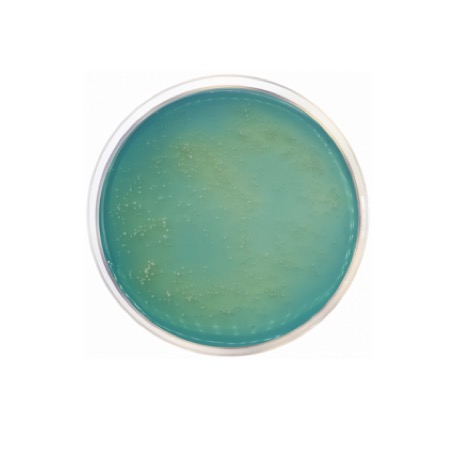
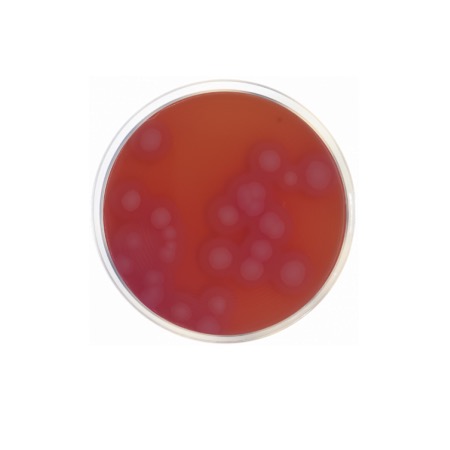
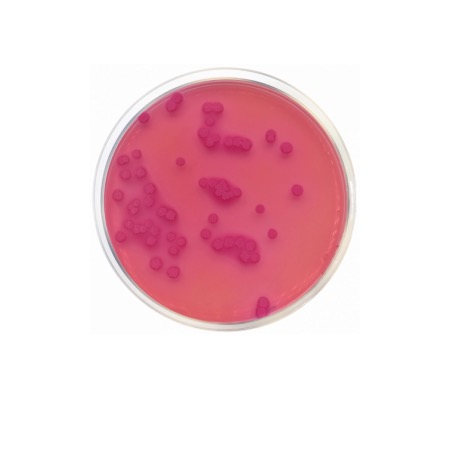
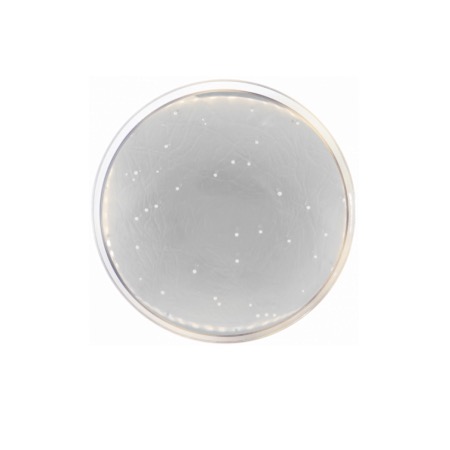
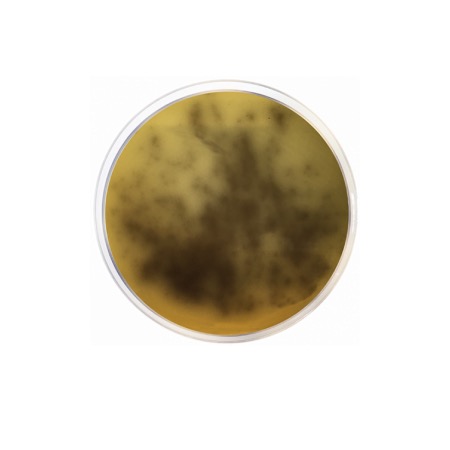
Brettanomyces Agar is formulated to support the slow-growing nature of Brettanomyces while suppressing the growth of faster-growing wine yeasts and bacteria. It contains Yeast Extract and Malt Extract as rich sources of nitrogen, vitamins, and minerals. Glucose serves as the primary energy source. To achieve its high level of selectivity, the medium is typically supplemented with Cycloheximide (to inhibit Saccharomyces cerevisiae and other sensitive yeasts) and Chloramphenicol (to inhibit bacterial contamination). The low pH and specific nutrient balance favor the development of Brettanomyces, which often produce characteristic "medicinal" or "barnyard" odors during growth on the agar.
Advantages
- High Selectivity: Effectively inhibits Saccharomyces and common winery bacteria, allowing for the detection of low levels of Brettanomyces.
- Optimized Recovery: The nutrient-dense base ensures that even stressed cells from wine or cider can be recovered.
- Quality Control: Essential for wineries to prevent "Brett" spoilage and ensure the consistency of their products.
- Visual Identification: Brettanomyces colonies typically appear small and develop slowly, often accompanied by a distinct acetic acid or phenolic aroma.
- Industry Standard: Trusted by enologists and laboratory technicians for routine microbiological monitoring in fermentation processes.
Technical specifications
| Catalogue number |
2006 |
| Brand |
Condalab |
| Application |
Isolation and enumeration of Brettanomyces spp. |
| Typical Composition (g/L) |
Glucose (10.0); Malt Extract (3.0); Yeast Extract (3.0); Peptone (5.0); Bacteriological Agar (15.0) (Note: Minerals/Salts included for pH balance) |
| Final pH (at 25 °C) |
5.0 ± 0.2 |
| Preparation |
43.1 g/L |
| Storage Temperature |
2 – 25 °C |
Available packaging options
| 2006 |
500 g plastic bottle |