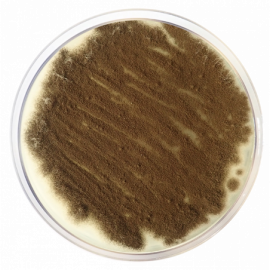
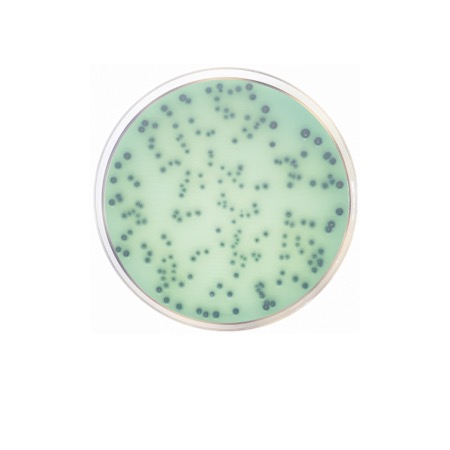
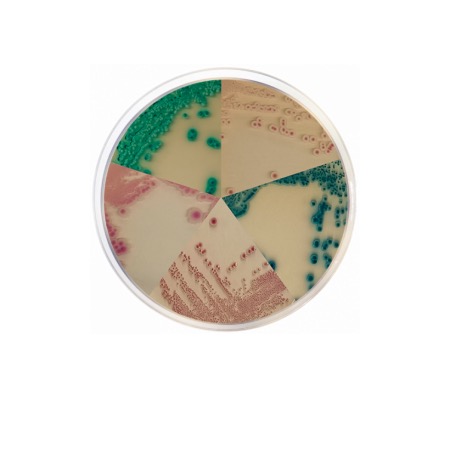
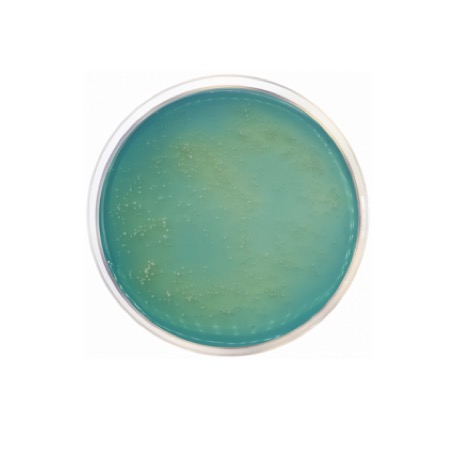
The medium is formulated with a high concentration of Potato Infusion and Glycerol, which provide the essential nitrogen, vitamins, and carbon sources necessary for the slow growth of Bordetella species. The Sodium Chloride maintains osmotic equilibrium. The base is notably rich in starch (from the potato), which serves a critical role in neutralizing toxic substances often found in clinical samples or metabolic by-products, such as fatty acids, which would otherwise inhibit the growth of B. pertussis. When 15–20% sterile, defibrinated blood (preferably sheep or horse) is added, the medium provides the necessary growth factors and allows for the observation of the characteristic hemolytic zones associated with these pathogens.
Advantages
- Optimized for Fastidious Growth: Specifically designed to support the growth of Bordetella species, which are among the most difficult bacteria to culture.
- Toxic Substance Neutralization: The potato starch components effectively protect the culture from inhibitory agents present in respiratory secretions.
- Diagnostic Hemolysis: The high blood content allows for the detection of the subtle "fuzzy" beta-hemolysis typical of B. pertussis.
- Selective Flexibility: Can be made highly selective by adding antibiotics such as Methicillin or Cephalexin to suppress normal nasopharyngeal flora.
- Proven Clinical Utility: A long-standing standard in diagnostic microbiology for the confirmation of pertussis infections.
Technical specifications
| Catalogue number |
1107 |
| Brand |
Condalab |
| Application |
Isolation of Bordetella pertussis and related species |
| Typical Composition (g/L) |
Potato Infusion (125.0); Sodium Chloride (5.5); Bacteriological Agar (20.0) |
| Final pH (at 25 °C) |
6.7 ± 0.2 |
| Preparation |
30.0 g/L (plus 1% Glycerol and 15-20% Blood) |
| Storage Temperature |
2 – 25 °C |
Available packaging options
| 1107 |
500 g plastic bottle |