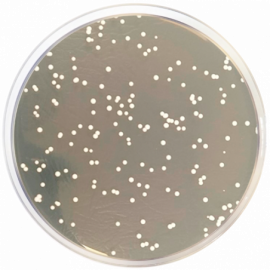
Dextrose, also known as D-Glucose, is a high-purity monosaccharide carbohydrate used as the primary fermentable energy source in a vast array of microbiological culture media. It is an essential component for the cultivation of a wide variety of microorganisms, including bacteria, yeasts, and molds.

Dextrose is a simple sugar that most microorganisms can easily metabolize via the glycolytic pathway. In microbiology, it is used to stimulate rapid growth and to study the fermentative abilities of bacteria. Because many organisms produce organic acids when fermenting dextrose, it is frequently used in differential media containing pH indicators (such as Phenol Red Broth or Triple Sugar Iron Agar) to aid in species identification. This certified-grade Dextrose is tested to ensure optimal performance in fermentation processes, meeting the requirements for both diagnostic and industrial microbiology applications.
Advantages
- Universal Energy Source: Supports the growth of a broad spectrum of microorganisms, from common laboratory strains to fastidious pathogens.
- High Purity: Strictly controlled to ensure the absence of inhibitors or contaminating minerals that could interfere with microbial metabolism.
- Standardized Fermentation: Provides consistent and reproducible results in biochemical identification tests.
- Stimulates Fungal Growth: An essential ingredient in media such as Sabouraud Dextrose Agar (SDA) and Potato Dextrose Agar (PDA).
- Excellent Solubility: Dissolves rapidly in water, facilitating the easy preparation of clear broth and agar solutions.
Technical specifications
| Catalogue number | 1900 |
| Brand | Condalab |
| Chemical Formula | C6H12O6 |
| Molecular Weight | 180.16 g/mol |
| CAS Number | 50-99-7 |
| Storage Temperature | 2 – 25 °C (Keep container tightly closed in a dry place) |
Available packaging options
| 1900 | 500 g plastic bottle |
| Brand | Condalab |
| Pack size | 500 g |