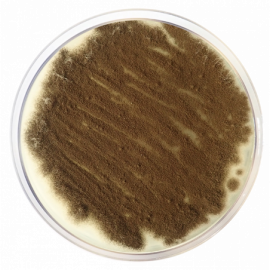
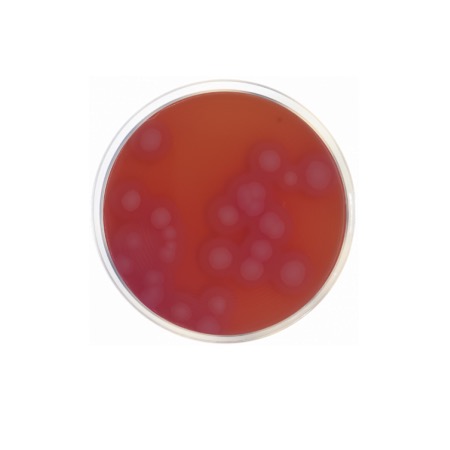
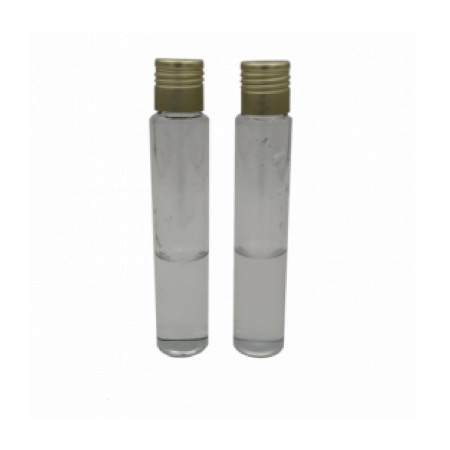
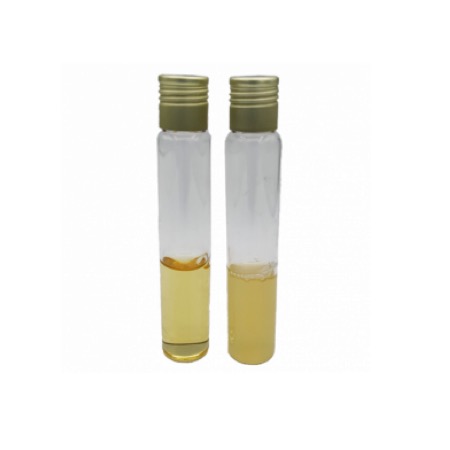
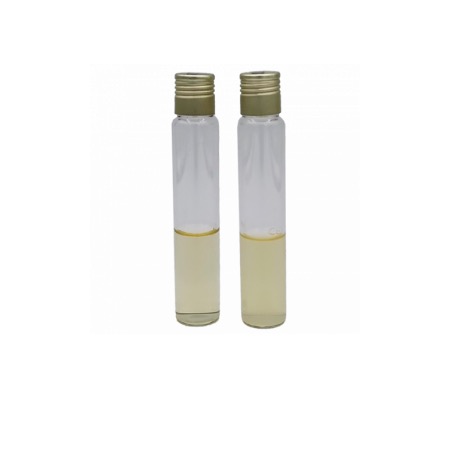
Azide Dextrose Broth was originally developed by Rothe and later modified for the recovery of fecal streptococci. The medium contains a nutrient-rich base of Beef Extract and Tryptone, which provides the vitamins, nitrogen, and amino acids necessary for rapid bacterial growth. Dextrose (Glucose) serves as the primary fermentable carbohydrate and energy source. Selectivity is achieved through the inclusion of Sodium Azide, which inhibits the cytochrome oxidase enzyme system in Gram-negative bacteria, effectively suppressing their growth while allowing the resistant Enterococci to proliferate. This medium is commonly used in the presumptive phase of the multiple-tube fermentation technique for testing water quality.
Advantages
- Effective Selectivity: Sodium Azide provides a powerful barrier against Gram-negative contaminants like coliforms, ensuring the specific growth of target Streptococci.
- High Sensitivity: Optimized for the detection of low levels of fecal contamination in environmental water and food products.
- Nutrient-Rich: Supports the recovery of stressed or injured cells, providing a robust environment for initial enrichment.
- Standardized Methodology: A traditional and reliable medium for water microbiology and public health testing.
- Simplified Result Interpretation: Growth, indicated by turbidity, provides a clear presumptive positive signal for the presence of Enterococci.
Technical specifications
| Catalogue number |
1422 |
| Brand |
Condalab |
| Application |
Selective enrichment of Enterococci in water and food |
| Typical Composition (g/L) |
Tryptone (15.0); Beef Extract (4.5); Dextrose (Glucose) (7.5); Sodium Chloride (7.5); Sodium Azide (0.2) |
| Final pH (at 25 °C) |
7.2 ± 0.2 |
| Preparation |
34.7 g/L |
| Storage Temperature |
2 – 25 °C |
Available packaging options
| 1422 |
500 g plastic bottle |