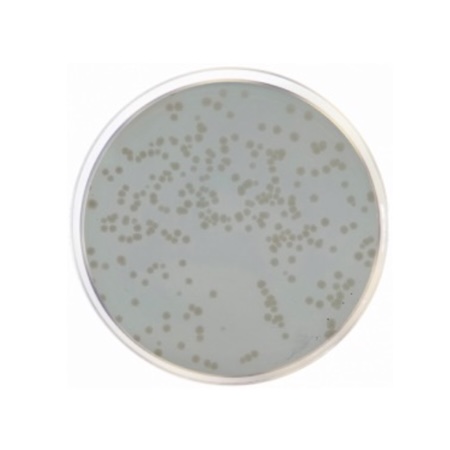
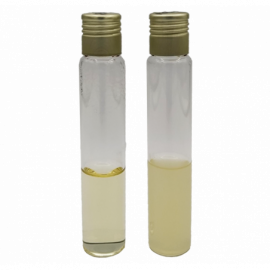
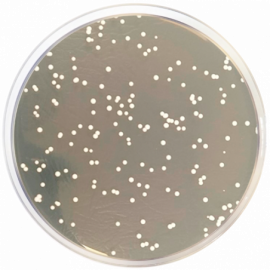
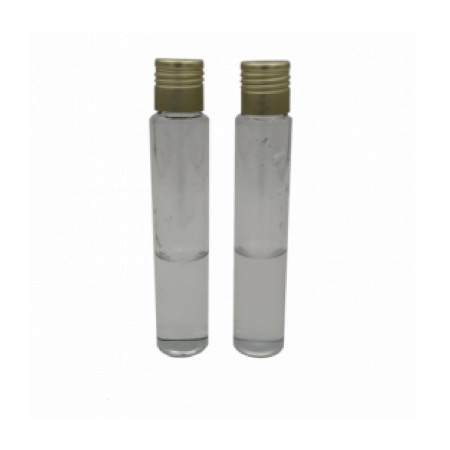
This medium is a variation of the classic Tryptic Soy Agar (TSA) formula, optimized for use with animal blood. The combination of Tryptone (pancreatic digest of casein) and Soy Peptone (papain digest of soybean meal) provides a rich supply of nitrogen, amino acids, and long-chain peptides. Sodium Chloride maintains osmotic equilibrium, ensuring that red blood cells remain intact when added to the base. Unlike some other bases, this formulation is strictly controlled to ensure the absence of natural reducing sugars that could interfere with hemolysin production or cause "greening" (pseudo-alpha hemolysis). When supplemented with 5–10% sterile blood (typically sheep or horse), it becomes the gold standard for observing alpha, beta, and gamma hemolytic reactions.
Advantages
- Superior Hemolysis: Specially formulated to provide a clear background for the observation of hemolytic zones, facilitating the identification of Streptococcus pneumoniae and Pyogenic streptococci.
- High Nutritional Yield: The dual-peptone system ensures the recovery of demanding pathogens from clinical and environmental samples.
- Versatile Base: While primarily used for blood agar, it can also be used for the preparation of "Chocolate Agar" or supplemented with various antibiotics for selective isolation.
- Standardized Quality: Manufactured to ensure consistent performance in clinical diagnostics and pharmaceutical microbial limit testing.
- Excellent Clarity: The high-quality agar used ensures a transparent medium that makes colony morphology and sub-surface growth easy to evaluate.
Technical specifications
| Catalogue number |
1189 |
| Brand |
Condalab |
| Application |
Base for Blood Agar to observe hemolytic reactions and grow fastidious bacteria |
| Typical Composition (g/L) |
Tryptone (15.0); Soy Peptone (5.0); Sodium Chloride (5.0); Bacteriological Agar (15.0) |
| Final pH (at 25 °C) |
7.3 ± 0.2 |
| Preparation |
40.0 g/L |
| Storage Temperature |
2 – 25 °C |
Available packaging options
| 1189 |
500 g plastic bottle |