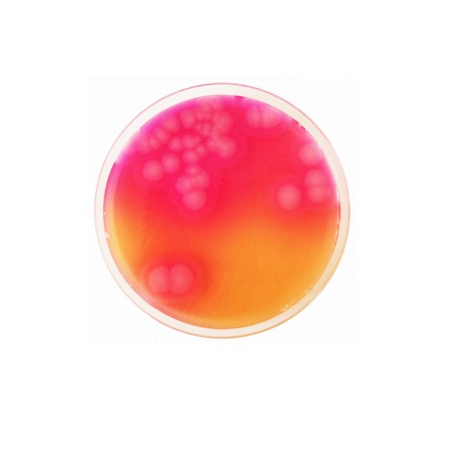
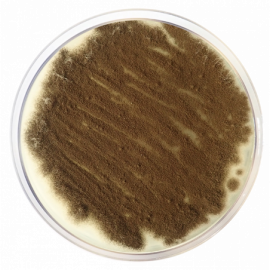
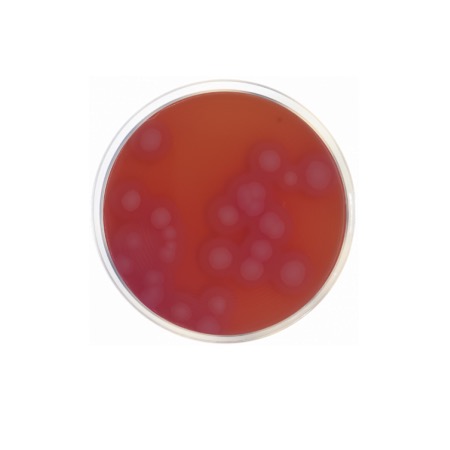
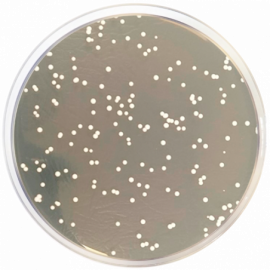
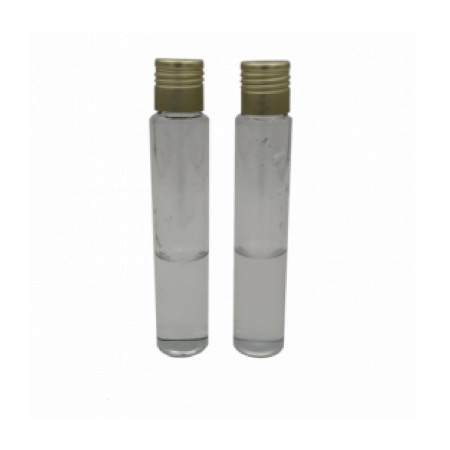
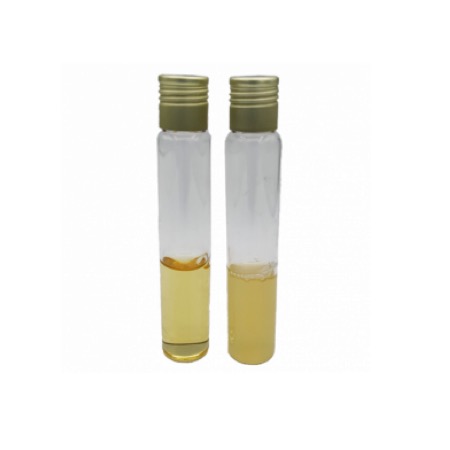
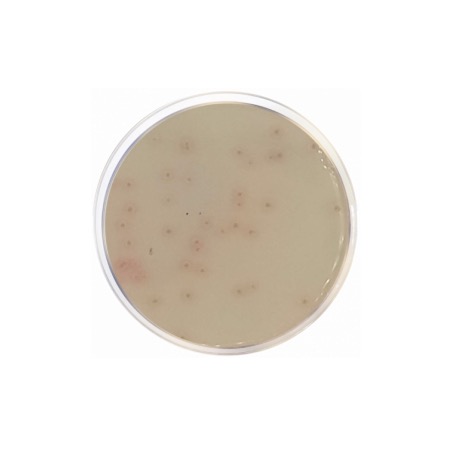
MYP Agar relies on two specific metabolic characteristics of Bacillus cereus to differentiate it from other species: the fermentation of mannitol and the production of lecithinase. The medium contains Beef Extract and Peptone as sources of nitrogen, vitamins, and minerals. Mannitol is the carbohydrate source; since B. cereus is mannitol-negative, it does not produce acid, and the Phenol Red indicator remains pink or red. Selectivity is achieved through the addition of Polymyxin B, which inhibits most Gram-negative bacteria and some Gram-positive organisms. Differentiation is completed by adding Egg Yolk Emulsion; B. cereus produces lecithinase, which breaks down the lecithin in the egg yolk, creating a distinct zone of precipitation (halo) around the colonies.
Advantages
- Clear Differentiation: B. cereus colonies appear large, pink-red (mannitol-negative), and are surrounded by a white zone of precipitate (lecithinase-positive).
- High Selectivity: Polymyxin B effectively suppresses competitive flora, making it easier to count B. cereus in contaminated food products.
- Standardized Formula: Widely used in international food safety standards (ISO 7932) for the microbiological analysis of cereals, spices, and dairy products.
- Versatile Detection: Allows for the simultaneous assessment of both metabolic markers on a single plate.
- Reliable Results: Optimized nutrient balance ensures the recovery of B. cereus while maintaining the integrity of the diagnostic reactions.
Technical specifications
| Catalogue number |
1124 |
| Brand |
Condalab |
| Application |
Selective isolation and enumeration of Bacillus cereus |
| Typical Composition (g/L) |
Beef Extract (1.0); Peptone (10.0); D-Mannitol (10.0); Sodium Chloride (10.0); Phenol Red (0.025); Bacteriological Agar (12.0) |
| Final pH (at 25 °C) |
7.2 ± 0.2 |
| Preparation |
43.0 g/L (Base 21.5 g / 450 mL) |
| Storage Temperature |
2 – 25 °C |
Available packaging options
| 1124 |
500 g plastic bottle |